Carbonia is an ideal destination for archaeology enthusiasts—a place where history and culture intertwine to create an unforgettable experience. Situated in the heart of the Sulcis Iglesiente region, this city offers a true treasure trove of archaeological sites, perfect for those eager to immerse themselves in the past during their Sulcis vacation.
Among the must-visit landmarks are the Villa Sulcis Archaeological Museum, Monte Sirai Archaeological Park, Cannas di Sotto Urban Park, and the Museum of Sulcis Paleo-Environments. Each site boasts unique features and historical artifacts spanning millennia, offering visitors a profound connection to the region’s rich heritage.
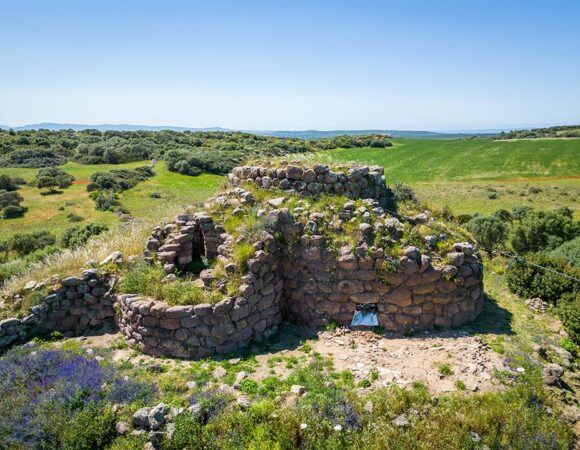
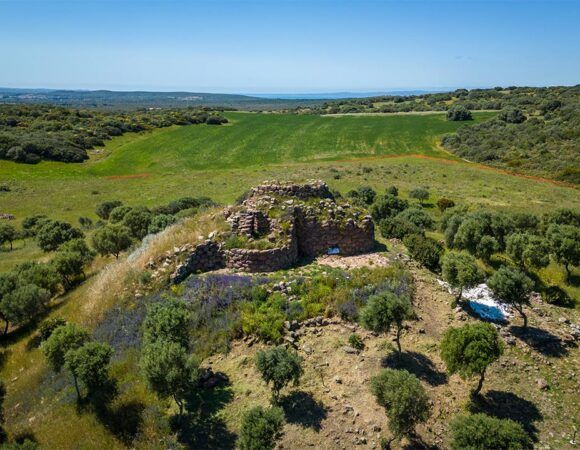
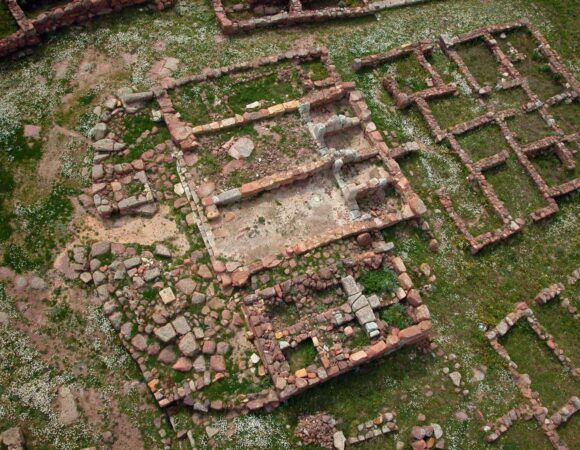
In the archaeological landscape of Sulcis, Nuraghe Sirai holds a unique position. This settlement stands out for its incorporation of a fortress dating back to the Nuragic period. As part of the Monte Sirai – Nuraghe Sirai Archaeological Park, it serves as a meeting point between the ancient Nuragic civilization and the influences of later cultures, such as the Phoenicians.
Visiting Nuraghe Sirai offers an immersive journey into the history of ancient Sardinia, revealing how its inhabitants adapted and coexisted with the populations that arrived on the island.
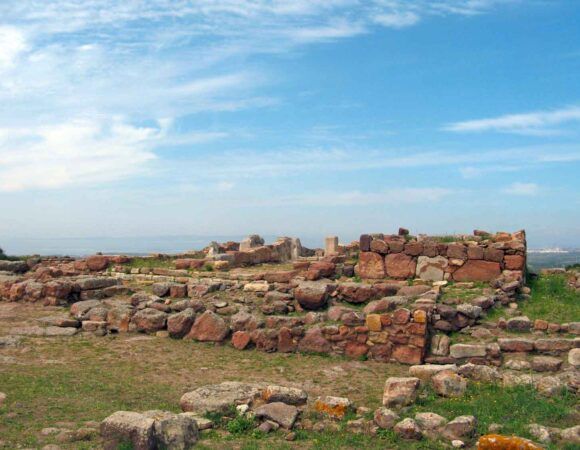
Monte Sirai Archaeological Park is one of the most captivating attractions for those spending their holidays in the Sulcis Iglesiente region. Perched on a plateau with breathtaking views of the surrounding landscape and the Sulcis archipelago, this park offers a glimpse into the Phoenician and Punic periods.
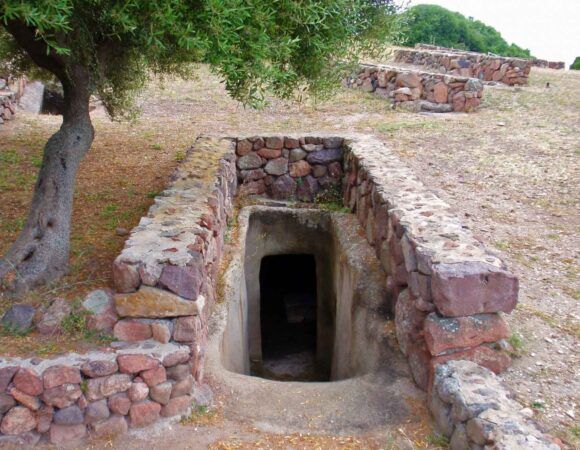
Amid the ruins, visitors can admire temples, necropolises, and the remains of dwellings, all of which narrate the story of a site strategically positioned to control mining routes. Monte Sirai perfectly exemplifies the harmonious blend of history and nature, providing visitors with a unique experience enriched by culture, beauty, and fascination.
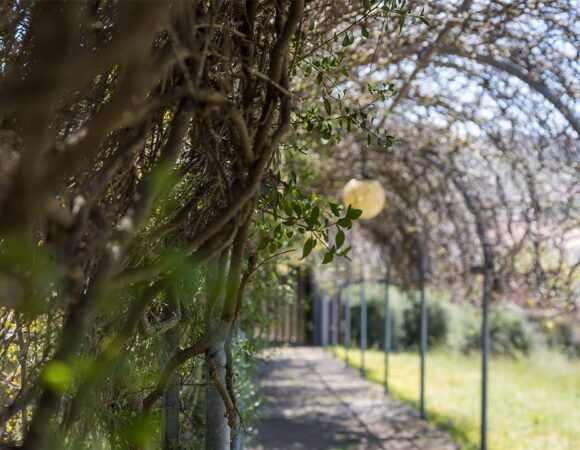
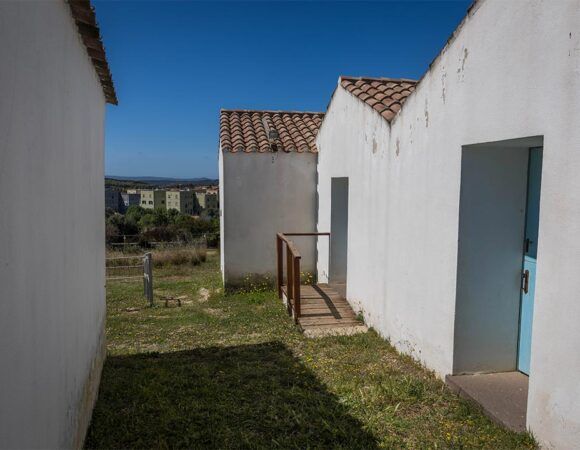
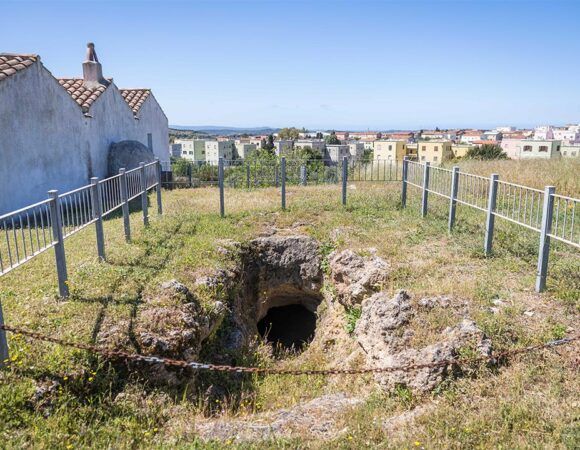
In the heart of Carbonia, nestled between Corso Iglesias and Via Alghero, lies a true oasis of peace and history: Cannas di Sotto Urban Park. This green space, connected to the Villa Sulcis Archaeological Museum via a covered walkway, is much more than just a park.
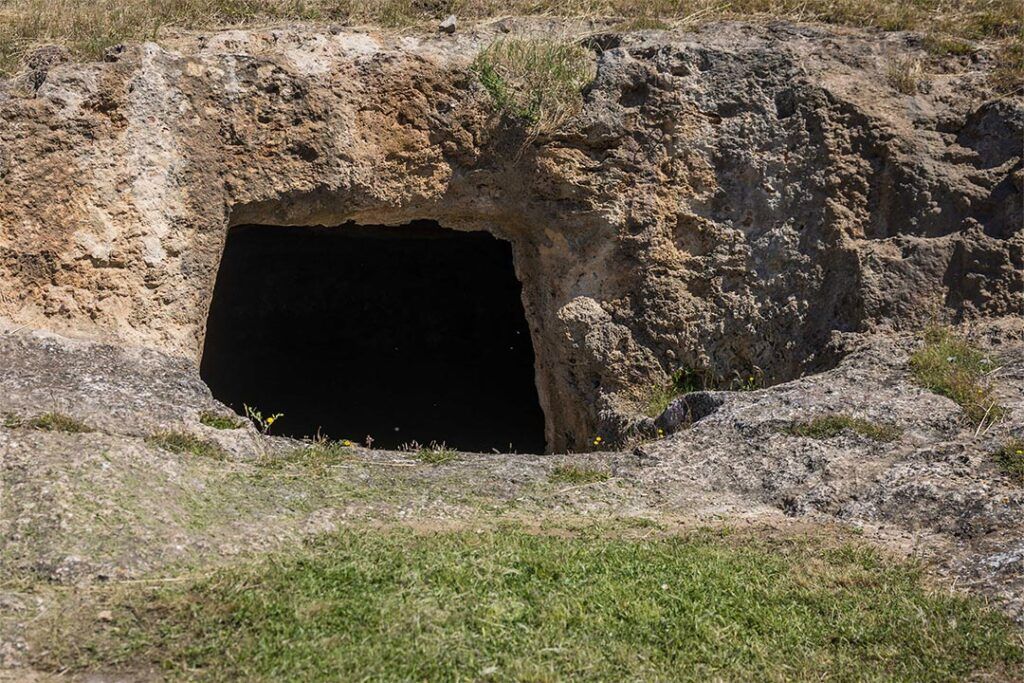
Within its grounds lies a Domus de Janas necropolis, a testament to prenuragic Sardinia. These Neolithic tombs are seamlessly integrated into the urban setting, creating a place where the past seems to converse with the present.
The park is an ideal spot for those seeking a tranquil retreat during their Sardinian holiday. Visitors can relax while being captivated by ancient stories and the beauty of nature that frames these archaeological treasures.
The Montessu Necropolis is in Sulcis, in the territory of Villaperuccio, a few kilometres from Carbonia. It is one of the largest pre-Nuragic complexes in southern Sardinia.
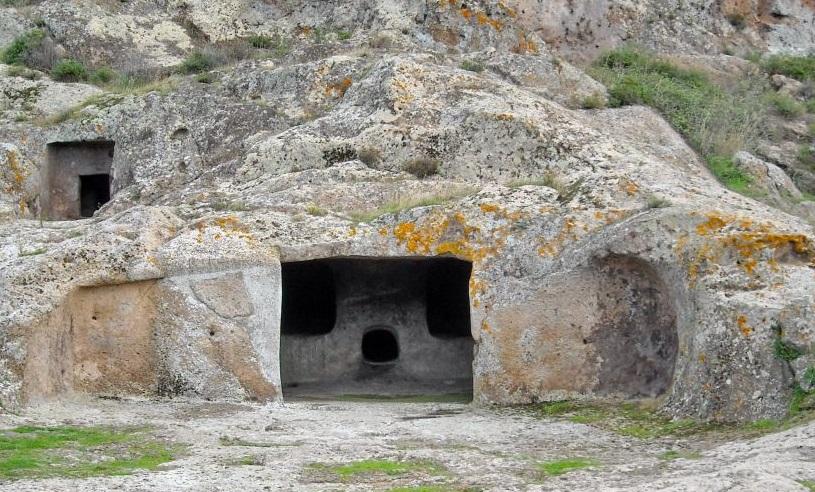
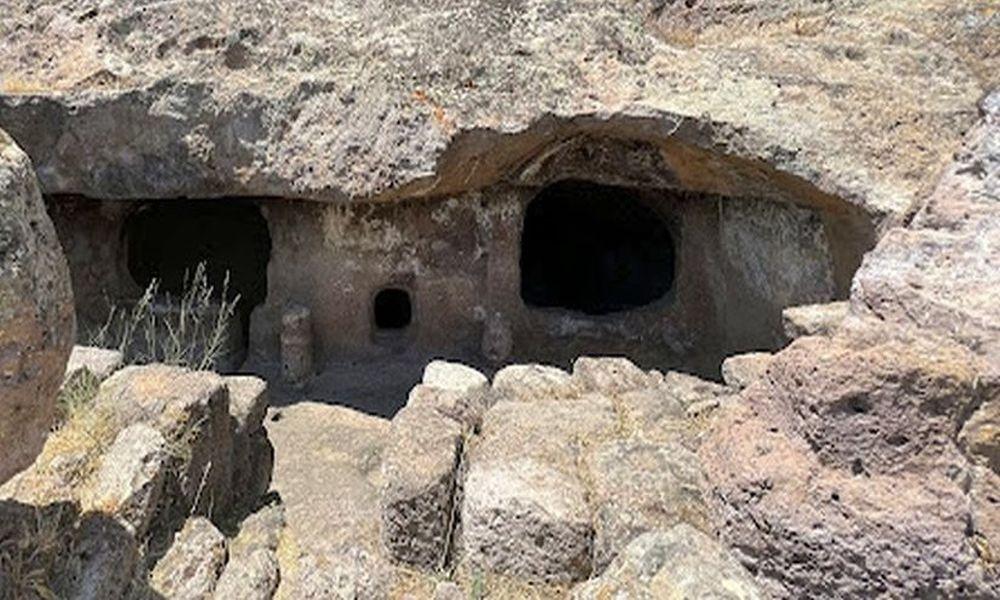
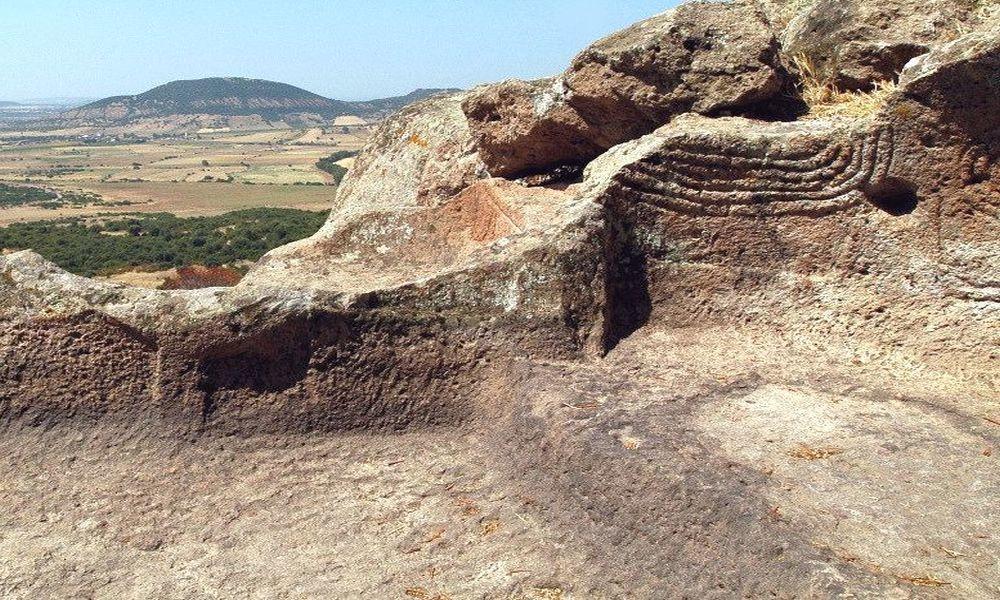
It includes more than forty domus de janas carved into trachyte. They are arranged in a natural amphitheatre on the hill of Sa Pranedda, often with an alignment that suggests a precise plan.
The tombs differ in shape and complexity. They range from the simplest types to multi-cell tombs, and include two monumental burials that seem to also have a “sacred” function. The site is enriched by carved symbols, including spirals and bull protomes. Some tombs are known for their decoration and for references to the cult of the bull-god. Montessu was used from the Late Neolithic to the Early Bronze Age, and it testifies to centuries of rites and Mediterranean cultural contacts.
Studied since the 1970s, the site has finds preserved in the museums of Cagliari and Santadi. It was recognised by UNESCO in 2025.
The area also includes an archaeological park with a corridor megalithic tomb, two nuraghi, and two menhir.
This site is registered on wpml.org as a development site. Switch to a production site key to remove this banner.
We use cookies to ensure that we give you the best experience on our website. If you continue to use this site we will assume that you are happy with it.