
The Route of taste
- Home
- Idee vacanza
- The Route of taste
The Route of taste
The Flavours of Sulcis: a Culinary Journey
What does Sulcis food and wine tell you about the territory?
In Sulcis, food and wine are not a detail. They are a concrete way to understand the territory.
Wine is a natural gateway. Carignano del Sulcis is the most representative designation. The specification requires Carignano grapes for at least 85%. It links the wine to a production area that includes several municipalities in the territory, including Carbonia and Carloforte.
Alongside Carignano, many wineries also work with traditional Sardinian grape varieties. In Sulcis there is room for whites such as Vermentino, Nuragus, and Nasco. These wines pair well with more delicate dishes and seafood cuisine. They help build a complete offering, not “only” a major red.
Identity today also goes through craft beer. Some producers in the area operate in a clearly artisanal way. They talk about recipes, raw materials, and ties with Sardinia. It is a young sector, but useful for those looking for alternatives to wine without giving up quality.
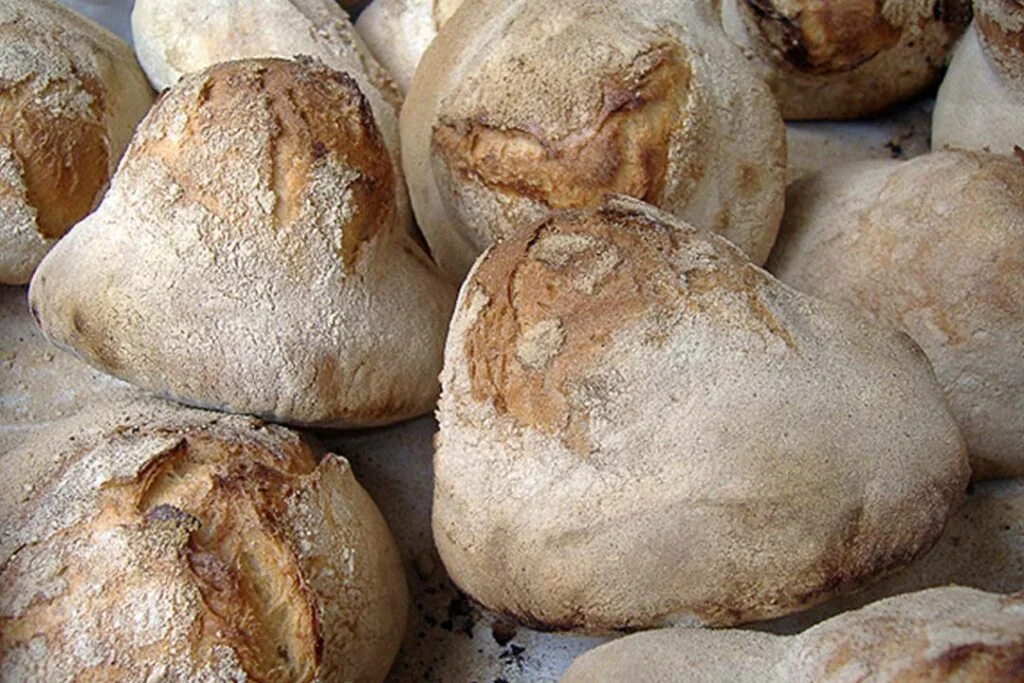
In cooking, bread and pasta have a special value. Pane sardo (sardinian bread) has major differences: coccoi, linked to special occasions; civraxu with crumb; carasau; and other traditional variants.
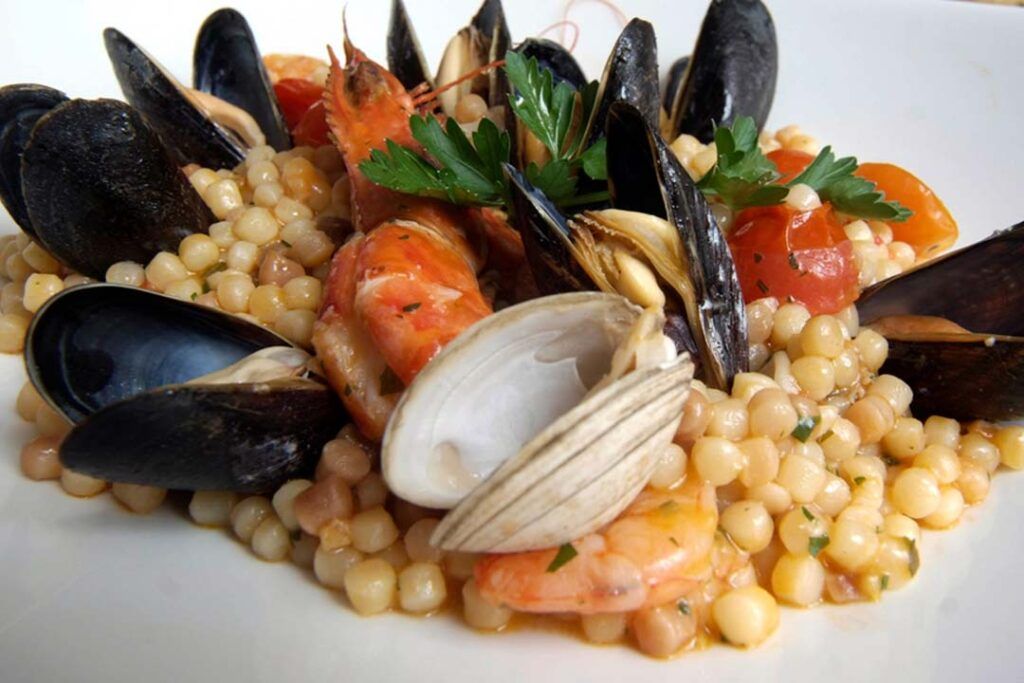
Pasta follows the same logic: simple processes, but precise. Fregula and malloreddus coexist with fresh pasta such as culurgiones. This tradition is versatile. It supports both land-based sauces and seafood recipes.
The raw material that truly distinguishes Sulcis is the meeting of land and sea. Carloforte is the symbolic place of tonno rosso (red tuna), considered the most prized in the Mediterranean during migrations. It recalls the traditional fishing calendar, between May and June. The tonnara links this product to an artisanal processing method passed down over time.
On the land side, local cuisine enhances preparations and meats tied to the area’s tradition. It creates a balance that makes the gastronomic offering suitable for different tastes.
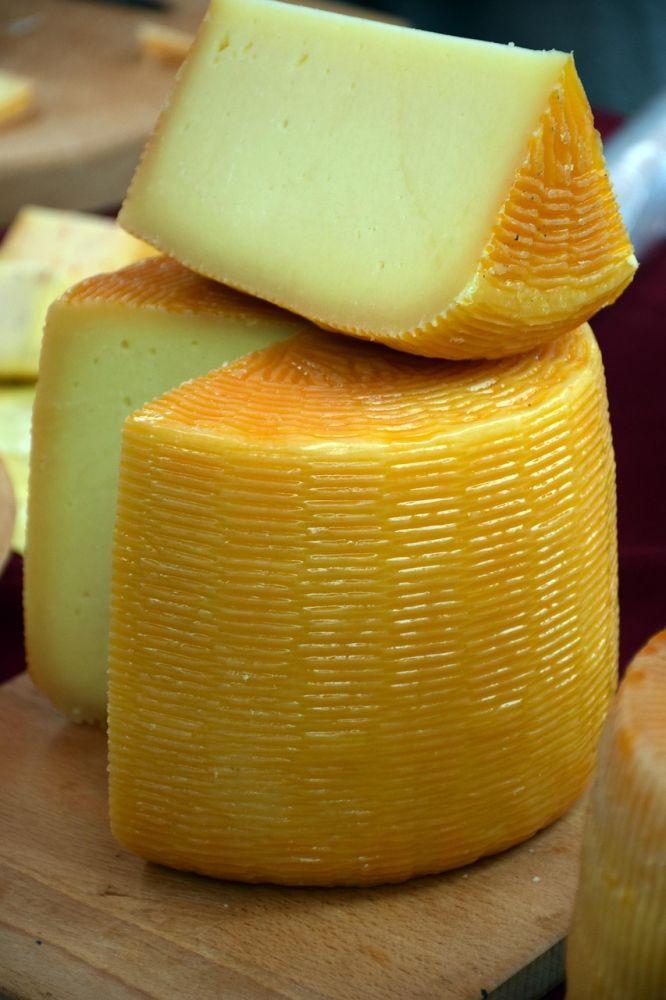
Among cheeses, Pecorino Sardo DOP is a clear and recognisable reference. It is produced with whole sheep’s milk and exists in the “dolce” and “maturo” types. It is ideal for tasting and for cooking, because its character changes with ageing.
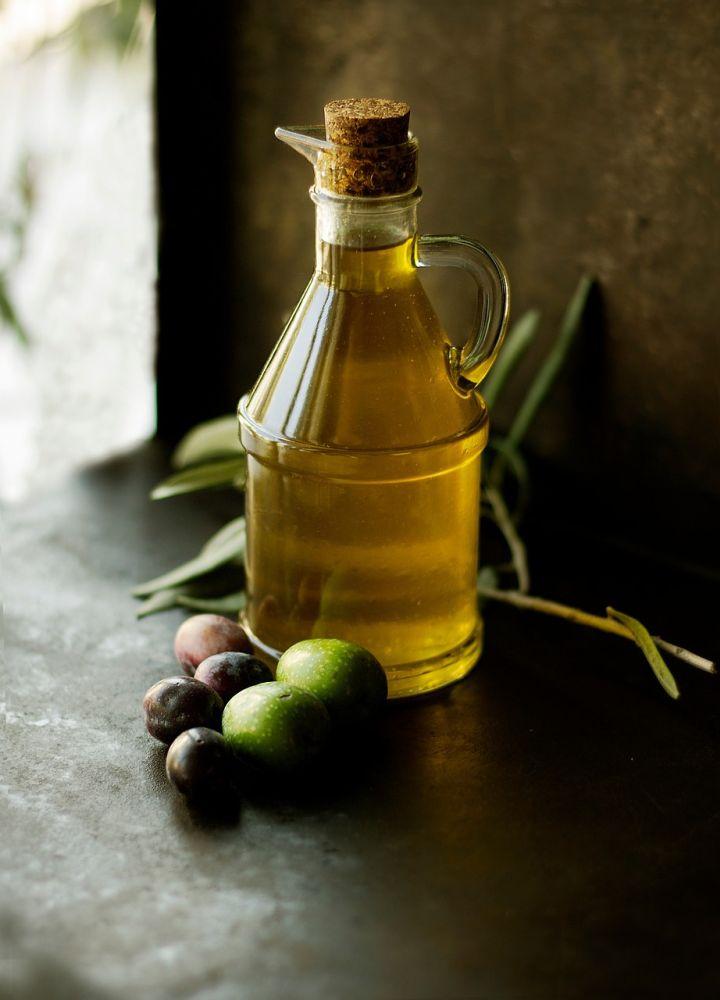
Oil and honey complete the picture. They unite technique and landscape. Olio extravergine “Sardegna” DOP is regulated by a specification. It can be produced across the entire regional territory, and it becomes a cross-cutting element in cooking and dressings.
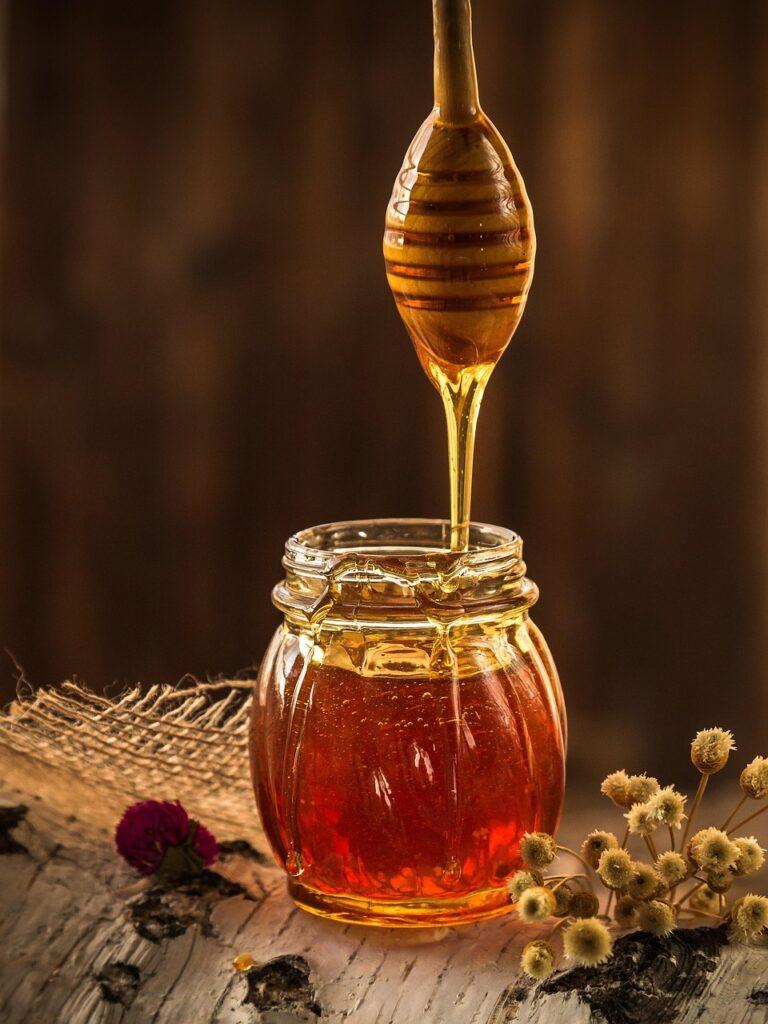
Honey tells the story of the Mediterranean scrub. Regional technical documentation describes miele di corbezzolo as rare, with a bitter, intense, and persistent taste. There are also more delicate honeys, such as miele di asfodelo. They broaden the range of pairings, from cheese to desserts.

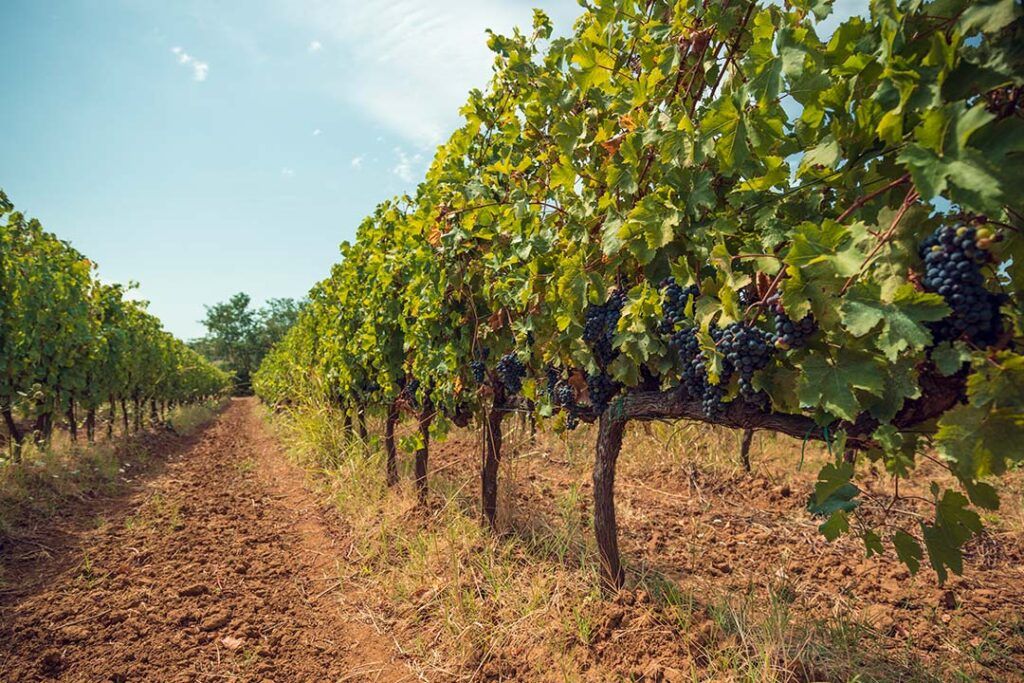
Wines of Sulcis: Carignano del Sulcis and Traditional Sardinian Varieties
What is Carignano del Sulcis, and why does it explain Sulcis through wine?
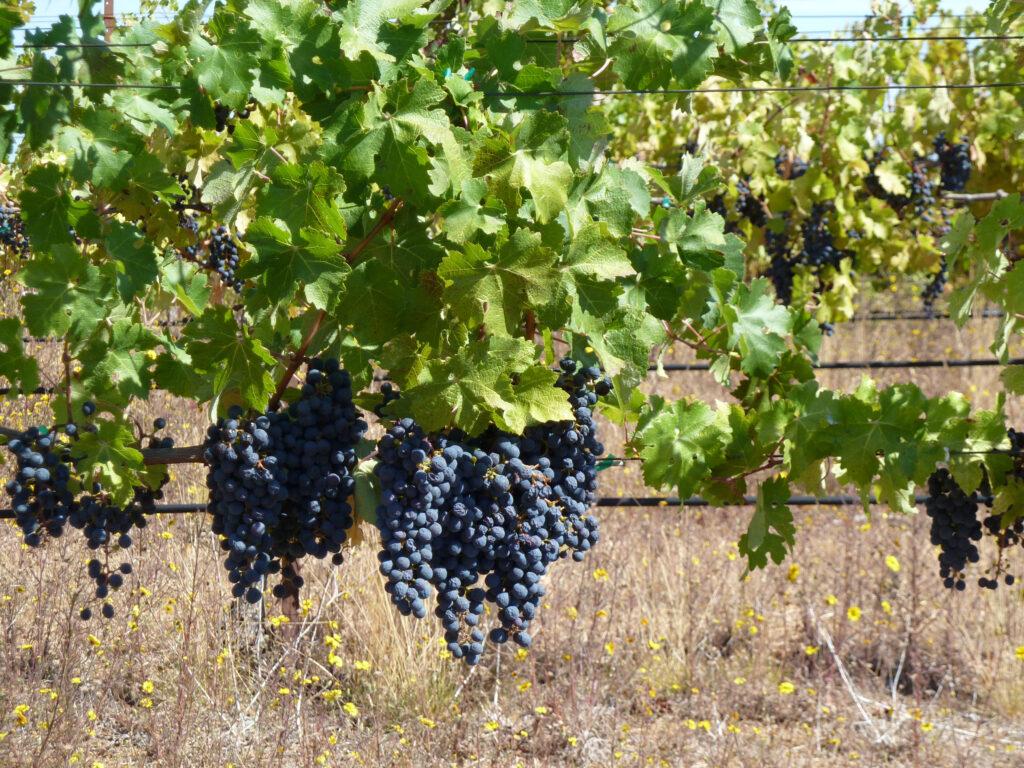
Among the leading figures of Sulcis food and wine, Carignano stands out as a vitigno a piede franco. It is considered one of Sardinia’s oldest and most prized native grape varieties.
The mild climate, sandy soils, and constant sun give the vines ideal conditions. The result is a wine with an intense ruby colour, complex aromas, and a harmonious taste.
The most representative denominazione is Carignano del Sulcis. The disciplinare requires Carignano grapes for at least 85% and links the wine to a production area that includes several municipalities, including Carbonia and Carloforte. Here Carignano is the protagonist and, in many vineyards, it is also present as piede franco.
At the table, Carignano del Sulcis works because it is versatile. It pairs with flavourful first courses, such as malloreddus alla campidanese. It accompanies spiced meats and aged cheeses. It is a red capable of supporting intense flavours without losing balance, for those looking for a traditional dinner.
The offer does not stop at red. Alongside Carignano, many wineries work with traditional Sardinian grape varieties. In Sulcis there is also the red Cannonau and whites such as Vermentino, Nuragus, and Nasco. These wines are useful with more delicate dishes and seafood cuisine. They make the route more complete and allow coherent pairings from the beginning to the end of the meal.
For this reason, visiting local wineries has practical value. You can taste and purchase Carignano directly. A walk among the vineyards completes the experience, because it connects the glass to a real place. In Sulcis, wine becomes an experience of territory: simple to live and easy to remember.
Craft beer in Sulcis: identity and taste
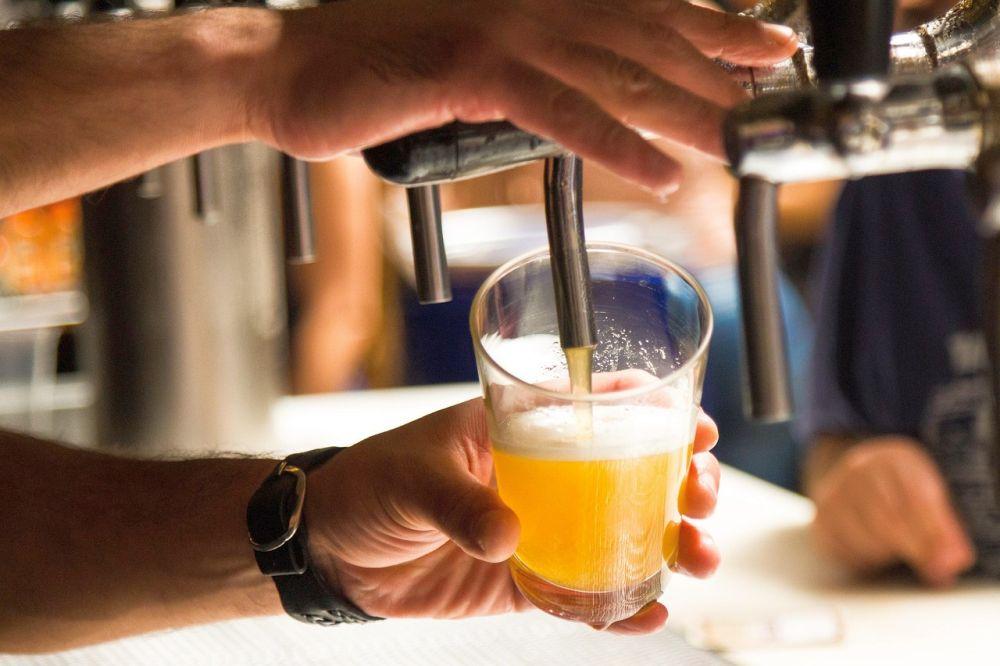
The same idea of identity today also passes through craft beer. In Sulcis, alongside wine, a more contemporary offering is taking shape. It does not replace tradition. It stands beside it. It offers one more choice to those who want to get to know the territory through what they drink.
Some local producers work in a clearly artisanal way. They take care of recipes and raw materials. They focus on small, controlled batches. The difference can be felt in the precision of taste and in the consistency from one brew to the next.
Brewing follows clear steps, from the brewhouse to the subsequent phases, always using high-quality ingredients with harmonious aromas. Transforming raw materials into beer is the final work of a production process that requires expert master brewers.
Packaging is a less spectacular step, but a fundamental one. It protects aromas and quality. It allows the beer to arrive at the table as it was conceived by the producer.
This is a young sector, but it is useful for those looking for an alternative to wine without giving up quality, especially while travelling. A well-made craft beer suits different moments and different tastes. A brewery visit, with a guided tasting, adds a concrete piece to discovering Sulcis: you see the process, you understand the differences, and you take home a memory with taste and identity.
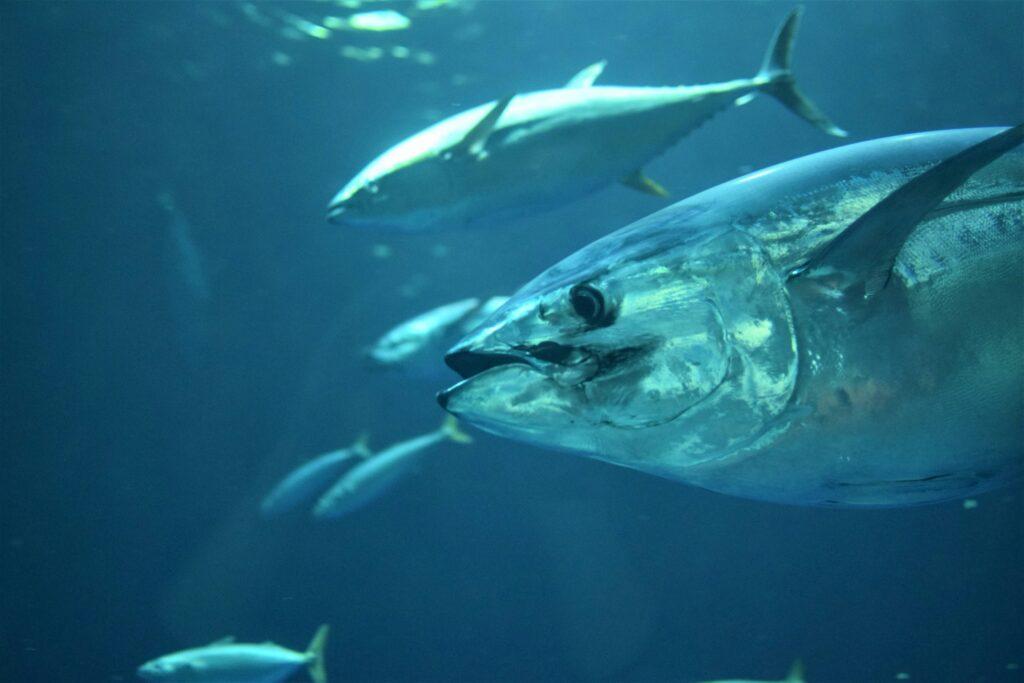
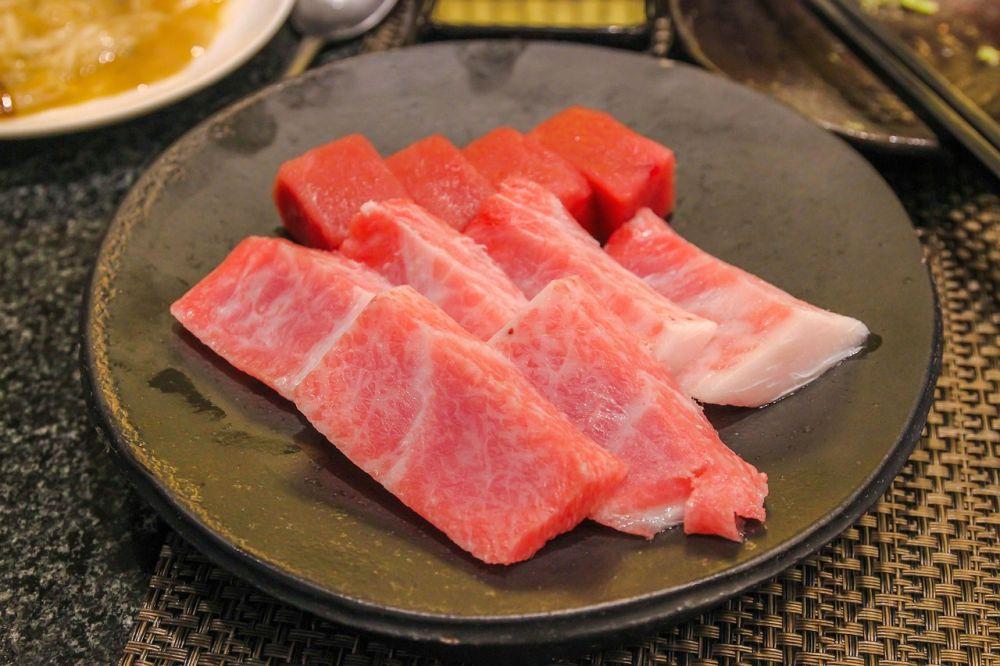
Carloforte bluefin tuna: the meeting between the sea and Sulcis
In Sulcis, the raw material that truly makes the difference is born from the meeting of land and sea. It is a territory that brings together two cultures: the maritime one, linked to fishing, and the agro-pastoral one, built on livestock farming, home cooking, and slow cooking.
Carloforte is the symbol of this balance thanks to tonno rosso, a worldwide delicacy, considered the best tuna in the world. In local language it is called “tonno di corsa”, because it is caught during migration.
The traditional fishing window is located between spring and the beginning of summer. This seasonality matters, because it links the perceived quality of the product to the moment it reaches the sea and, consequently, to the period in which local kitchens enhance it the most.
The tonnara is the bridge between raw material and culture. It is an ancient and selective fishing system that, in Carloforte, has become a heritage of gestures and skills. It is a rite governed by time, by sea conditions, and by the decisions of those who lead the work.
Today, this heritage is also a driver of attraction. Carloforte hosts events dedicated to tuna, capable of drawing national and international attention, such as the Girotonno, which weaves together cooking, storytelling, and the identity of the place.
The cuisine of “tonno di corsa” is one of the most distinctive traits of Sulcis, because it turns a natural migration into gastronomic culture.
In Carloforte, tonno rosso becomes the protagonist of practical and ancient know-how: it is the Rais who establishes the moment of the mattanza, in the precise period when its passage is favourable.
From here comes a cuisine that does not limit itself to the “fillet”. It enhances cuts and preparations with an almost total attention to the raw material, building identity recipes linked to tradizione tabarchina and to the life of the tonnara.
In this way, “tonno di corsa” is not only a prized ingredient: it is a season, a rite, and a territorial cuisine that makes unique the meeting between the sea and Sulcis.
Sulcis cuisine: sardinian bread, malloreddus, fregula, and typical second courses from Carbonia
What defines Sulcis Iglesiente cuisine, from pane sardo and pasta to the typical second courses of Carbonia?
In Sulcis Iglesiente, bread and pasta have a special value because they define the cuisine even before the recipes. They are the base that supports the sauce and, often, memory as well.
In the Carbonia area and in Sulcis, this tradition is immediately recognisable: few ingredients, precise processes, results that remain authentic.
Pane sardo (sardinian bread) is a clear example of how the same word can indicate different worlds.
- Coccoi is more linked to special occasions and carries with it an idea of care, made of shapes and gestures handed down.
- Civraxu is more everyday, but no less important: the present crumb and the texture make it suitable for flavourful dishes and generous sauces.
- Carasau, thin and crunchy, changes register completely. It is essential, dry, also suitable for preservation. And precisely for this reason it often becomes a “service” bread, capable of accompanying the meal in a light and practical way.
Pasta follows the same logic as bread: simplicity and taste. In Sulcis there is room for identity formats such as fregula and malloreddus, together with fresh pasta such as culurgiones.
- Fregula, obtained from hand-worked and toasted semolina, is designed to hold sauces well and keep its texture.
- Malloreddus, compact, hold the seasoning and enhance rich recipes.
- Culurgiones add a more artisanal level of work, because the filling becomes an integral part of the balance of the dish.
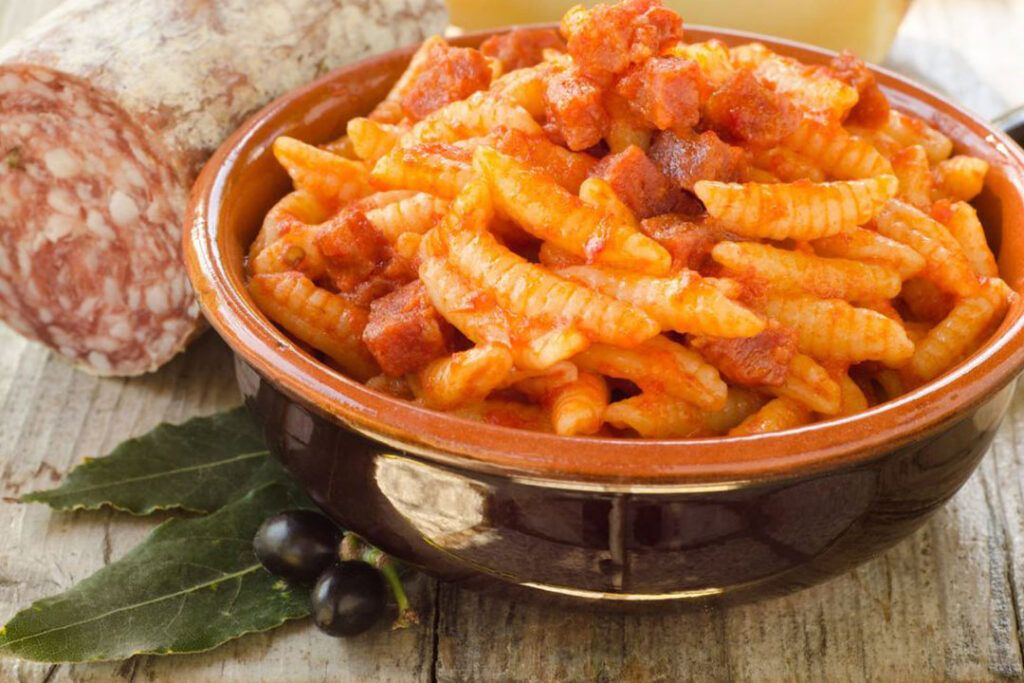
If you ask what to eat in Sulcis, malloreddus alla campidanese are a natural starting point. The tomato-and-sausage sauce builds sweetness and intensity in the same dish. Pecorino sardo completes the profile and gives a more decisive finish. It is a straightforward preparation, but able to satisfy even those looking for full flavours.
Fregula sarda is the most evident bridge between land and sea. With lamb ragù it becomes a robust first course, linked to the agro-pastoral tradition. With arselle it changes tone and becomes more maritime, more delicate, but still recognisable. This is where the versatility of Sulcis cuisine shows: the same principles, different pairings, the same coherence.
Among the second courses, porceddu sardo remains the most iconic reference. Slow cooking on the spit and aromatisation with myrtle are not only technique. They are a rite, often linked to sharing. Alongside it, roast lamb and roast sheep testify to a culture of livestock farming and patient cooking. Pecora in cappotto, a rich and flavourful stew, completes the picture with a dish that speaks of substance and tradition. Together, bread, pasta, and typical second courses tell Sulcis in a simple language: the language of the table.
Pecorino Sardo DOP from Sulcis
What is Pecorino Sardo DOP from Sulcis, and why is it so recognisable?
Pecorino Sardo DOP from Sulcis is a cheese produced with whole sheep’s milk. It comes in two main types, “dolce” and “maturo”. The difference is not only the name. It is the stagionatura (ageing) that changes the character of the cheese in an evident way.
Mentioning Sulcis indicates a precise territorial origin, in south-west Sardinia. For those looking for “Pecorino Sardo produced in Sulcis”, this detail matters. It connects the product to a concrete area. At the same time, the DOP wording remains the central guarantee. It refers to a protected cheese, with defined production criteria.
To choose, the logic is simple. Pecorino Sardo DOP “dolce” has a more delicate and measured profile. It is suitable for tasting, when balance is the goal. In the kitchen it is versatile, because it accompanies without covering. It is also a practical choice when you want a cheese that is easy to pair.
Pecorino Sardo DOP “maturo” comes from a longer stagionatura. Its character is more decisive. In tasting it stands out more. In the kitchen it becomes an ingredient that gives identity, because it keeps a recognisable presence.
This is the value of Pecorino Sardo DOP from Sulcis: it is clear and concrete. It starts from whole sheep’s milk and changes through stagionatura. It offers two coherent paths. “Dolce” if you are looking for harmony. “Maturo” if you want intensity. The next step is simple: learn the available stagionature and choose the one most suited to the way you bring it to the table.
Olio Extravergine “Sardegna” DOP and Sulcis Honeys
What are the characteristics of Sulcis oil and honey, and how do you use them well in the kitchen?
Those who look for information about oil and honey from Sulcis usually want to understand two things: the characteristics and how to use them well in cooking. Here the answer goes through two keywords: tecnica for the oil, and paesaggio for the honey.
These ingredients may seem “secondary”. In reality, they define the profile of many dishes, because they return consistently in dressings and in pairings.
Olio extravergine “Sardegna” DOP is regulated by a disciplinare and can be produced across the entire regional territory. For this reason, in Sulcis too it can be a stable reference: an oil linked to precise rules and to a protected identity. In the kitchen it is a transversal ingredient. It is used in dressings and accompanies many preparations, because it gives balance and coherence to taste. It supports the dish without complicating it.
Honey, instead, tells the macchia mediterranea directly. Regional technical documentation describes miele di corbezzolo as rare, with a bitter, intense, and persistent taste. This profile stands out immediately. It can be a precise choice when you want a bold note in tasting or in pairings. Alongside it, there are more delicate honeys: miele di asfodelo, miele di acacia, honeys from other essences, and millefiori. They expand the possibilities at the table, from cheese to desserts. They help modulate the final result: more character when needed, more softness when balance is the goal.